
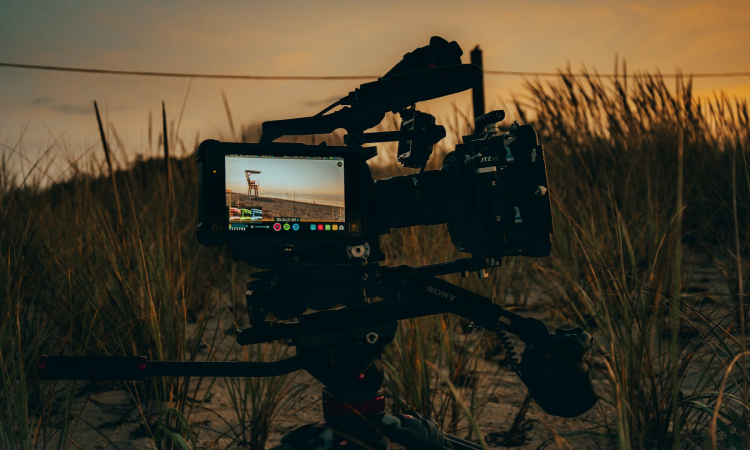
To start filming in Queen Elizabeth National Park, you must first get permission from the Uganda Wildlife Authority. You will be given a filming permit after showing proof of payment. Before that, you must also get a media card from the Uganda Media Council. The permit depends on how many days you plan to spend filming in the park.
While filming, you can capture the open Savannah plains, which turn golden brown during the dry season. You can also film the landscapes, forests, and primates. These primates are used to people because they have been habituated and often live near villages. However, you are advised not to scare them or try to copy their sounds, as this may cause them to act aggressively.
To get the best filming experience, it is important to book a knowledgeable tour guide who knows where animals are most active. Early morning is the best time to film, as this is when most animals are starting their daily activities.
Game drives are helpful for covering large areas in a short time. On a daytime drive, you may film animals such as elephants, zebras, hippos, antelopes, topis, oribis, and buffaloes. You can also go for a night drive to film nocturnal animals like leopards. Don’t forget to capture the night sky filled with stars and the glowing moon.
Lions are a major highlight in the park. There are about 130 lions in total, including the famous tree-climbing lions found in the Ishasha sector. You are only allowed to film them if you have a valid permit from the Uganda Wildlife Authority.
You can also film birds during birding activities. The park is home to over 600 bird species, both resident and migratory. Some species you may film include lesser flamingos, kingfishers, eagles, and pelicans.
While on a boat cruise along the Kazinga Channel, you can film hippos and crocodiles, as well as other animals coming to the water to drink. This makes for great footage, especially for documentaries.
Take your filming experience to the next level in Queen Elizabeth National Park and capture the wild like never before.


