
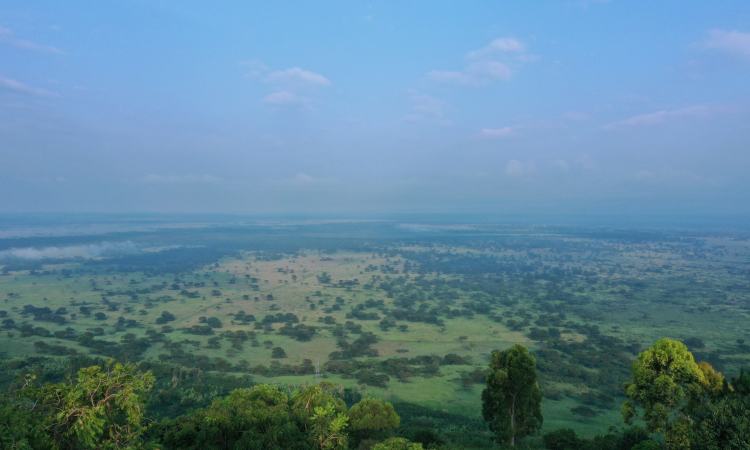
Queen Elizabeth National Park in January – January is one of the best months to visit Queen Elizabeth National Park because the weather is good for outdoor activities. The days are warm, with average temperatures of 30°C (86°F), and there is very little rain. This month is part of the dry season, and the roads are dry and easy to use. The nights are cooler, with temperatures dropping to around 18°C (64.4°F).
Animals gather around the main water sources like Lake Edward, Lake George, and the Kazinga Channel because the smaller water bodies dry up. This makes it easier to see wildlife, and sightings are high during January. A boat cruise along the Kazinga Channel gives tourists the chance to see crocodiles, hippos, and waterbirds like the African Skimmer, Papyrus Gonolek, and Martial Eagle.
The vegetation is thin and allows clear views of animals in the open savannah plains of Kasenyi during game drives. Wildlife is most active early in the morning and late in the evening, so game drives during these times are more rewarding. You can expect to see large herds of elephants, lions, Uganda kobs, and more.
With over 600 bird species, Queen Elizabeth is a good place for birdwatching. You can see flamingos in the crater lakes, especially Lake Katwe. Other birds to look out for include the Hooded Vulture, Yellow-billed Oxpecker, African Finfoot, Shoebill, and Long-crested Eagle, found in savannah plains, swamps, and the Ishasha sector.
January is also a good time for chimpanzee trekking in Kyambura Gorge. The trails are not slippery, and chimpanzees are easier to spot during the day. They are most active from morning to afternoon. You may also see olive baboons, monkeys, and some birds during the trek.
It is a busy month, so book your accommodation early. Lodges range from luxury to mid-range and budget options. Some include Mweya Safari Lodge, Kyambura Gorge Lodge, Katara Lodge, Tembo Safari Lodge, and Pumba Safari Cottages. Malaria risk is low because the vegetation is thin and most seasonal lakes are dry. Still, use insect repellent for outdoor activities and sleep under treated mosquito nets.
When packing, bring light clothes in neutral colors, strong and comfortable shoes, a camera with extra batteries, binoculars, sunglasses, snacks, a first aid kit, sunscreen, a reusable water bottle, and long-sleeved clothes for the cooler nights.
Queen Elizabeth National Park in January is a good choice for wildlife viewing and adventure.


