
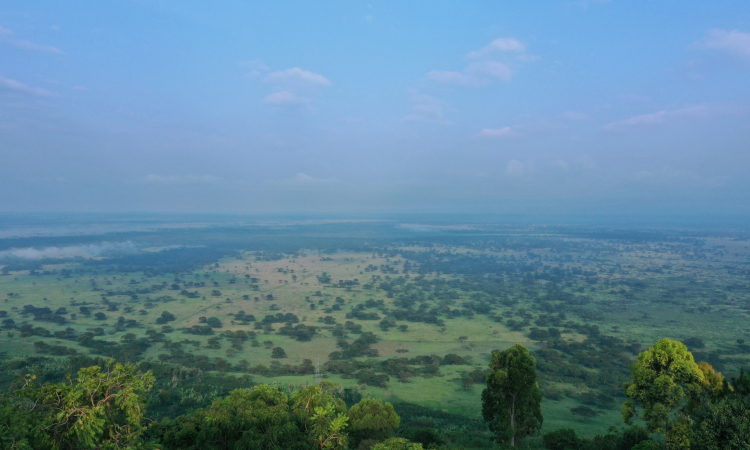
Queen Elizabeth National Park in March – March marks the end of the short dry season in Queen Elizabeth National Park, which runs between January and February. Daytime temperatures are warm or hot, followed by heavy rainfall in the afternoon or evening.
Early March is still dry enough to see animals like lions, buffaloes, and elephants, but the rains begin towards the end of the month as the long wet season starts from March to May. It is best to go on morning game drives in the Kasenyi plains before the rain begins.
Tourists are advised to use 4×4 safari vehicles because the roads become slippery. Make the most of the morning hours for outdoor activities, as rain often starts in the afternoon.
As the rains come, the vegetation becomes thicker and greener, which makes it harder to spot wildlife. The water sources fill up, so animals spread across the park since they can find water in many places.
However, the flowering plants and green landscape make the park very good for photography due to the bright skies and natural light. A boat cruise along the Kazinga Channel is also enjoyable, even when it rains.
March is a good time for bird-watching, with more than 600 bird species active in the park. Some migratory birds are also present. The best birding spots include the Kazinga Channel, Mweya Peninsula, Maramagambo Forest, Ishasha sector, and the Kasenyi area. Look out for pelicans, African finfoot, eagles, barbets, vultures, and many others. Bring binoculars and a bird guidebook to enjoy the experience.
Pack a rain jacket or poncho, light clothes that dry quickly, waterproof shoes, sunscreen, insect repellent, a hat, and covers for your camera and binoculars to protect them from the rain.
The park is less crowded in March, which gives you a quiet and more personal visit. Even with fewer visitors, it is still a good idea to book early, especially for chimpanzee trekking permits.
The risk of malaria is higher this month because the water sources become breeding areas for mosquitoes. Always be prepared for rain and use any dry periods to enjoy outdoor activities.
March is a month of change from the dry to the wet season. Be flexible with your plans while exploring the park.


