
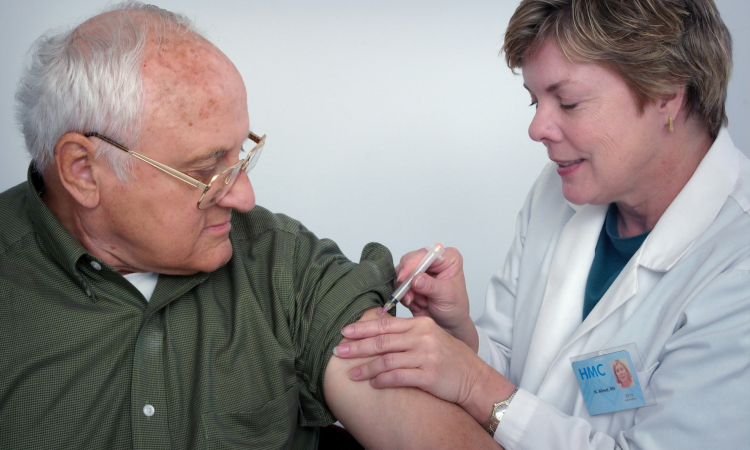
Vaccinations for Queen Elizabeth National Park – There are several important vaccinations recommended for anyone visiting Queen Elizabeth National Park to help protect their health.
Yellow Fever Vaccination
The yellow fever vaccination is required for all travelers visiting Queen Elizabeth or Uganda in general. It is given to people over one year old to protect them from yellow fever, a disease commonly found in Africa. You must present a valid yellow fever vaccination card when arriving in Uganda and when entering the park.
Typhoid Vaccination
Typhoid vaccination is also recommended to protect visitors from typhoid, which can be spread through contaminated food and water. Always drink bottled water and eat food from safe places such as lodges or known restaurants.
Rabies Vaccination
The rabies vaccine is advised for visitors who may come into close contact with animals, especially during chimpanzee trekking. It helps lower the risk of getting rabies. Children should be warned not to touch or play with animals and must follow all park rules, as they are more at risk.
Hepatitis A and B Vaccinations
Hepatitis A vaccination helps protect against infection from contaminated food or water, especially in rural areas where hygiene may be poor. It is highly recommended. Hepatitis B is also important, especially for people who may come into contact with blood or other body fluids. This includes risks like unprotected sex, tattoos, or injuries. The vaccine lowers the chance of getting Hepatitis B.
Meningitis Vaccination
Meningitis spreads from person to person, especially in dry seasons when there are large crowds. In Queen Elizabeth, this is usually from June to September and December to February. The vaccine is helpful if you plan to stay longer or visit local communities.
Malaria Prophylaxis
Malaria prophylaxis is not a vaccine but medicine that helps prevent malaria. This is important because the areas around Queen Elizabeth have many mosquitoes due to nearby lakes and open grasslands. These mosquitoes can spread malaria. Before your trip, talk to a doctor about which antimalarial medicine is best for you.
Make sure to speak with your doctor or health worker about the right vaccinations, correct doses, and the best time to take them before your trip to Queen Elizabeth National Park.


